
Chip Conveyor Maintenance: Faults, Repair and Renovation
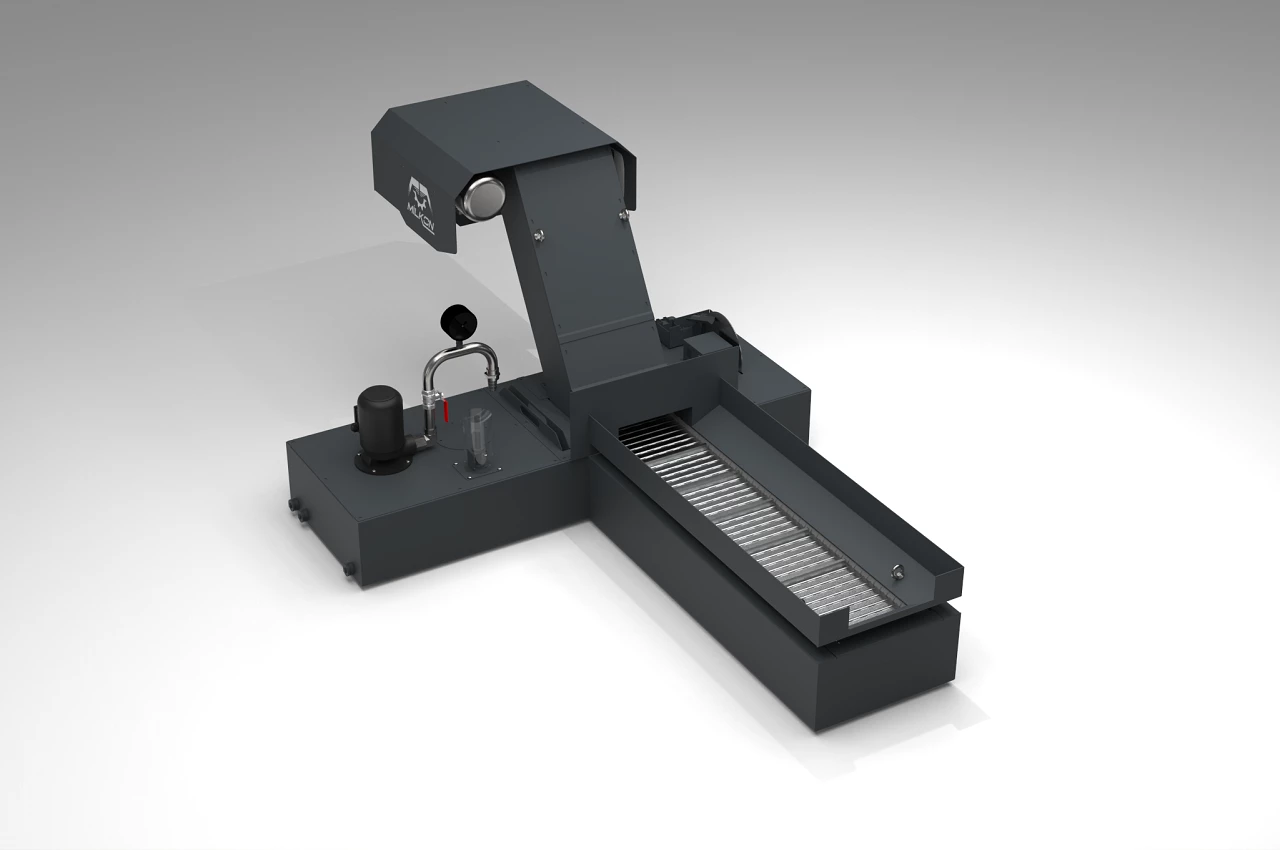
When the chip conveyor stops, the machine stops. Most conveyor failures can be prevented with regular maintenance and correct adjustment. This article covers the most common faults, a simple maintenance plan and when a renovation or belt replacement is needed.
Most common chip conveyor faults
Jamming and overload trips
Stringy chip nests, foreign objects (inserts, bolts) on the belt or sludge on the tank floor can lock the belt. Most systems have overload protection that stops the motor.
Plate and hinge damage
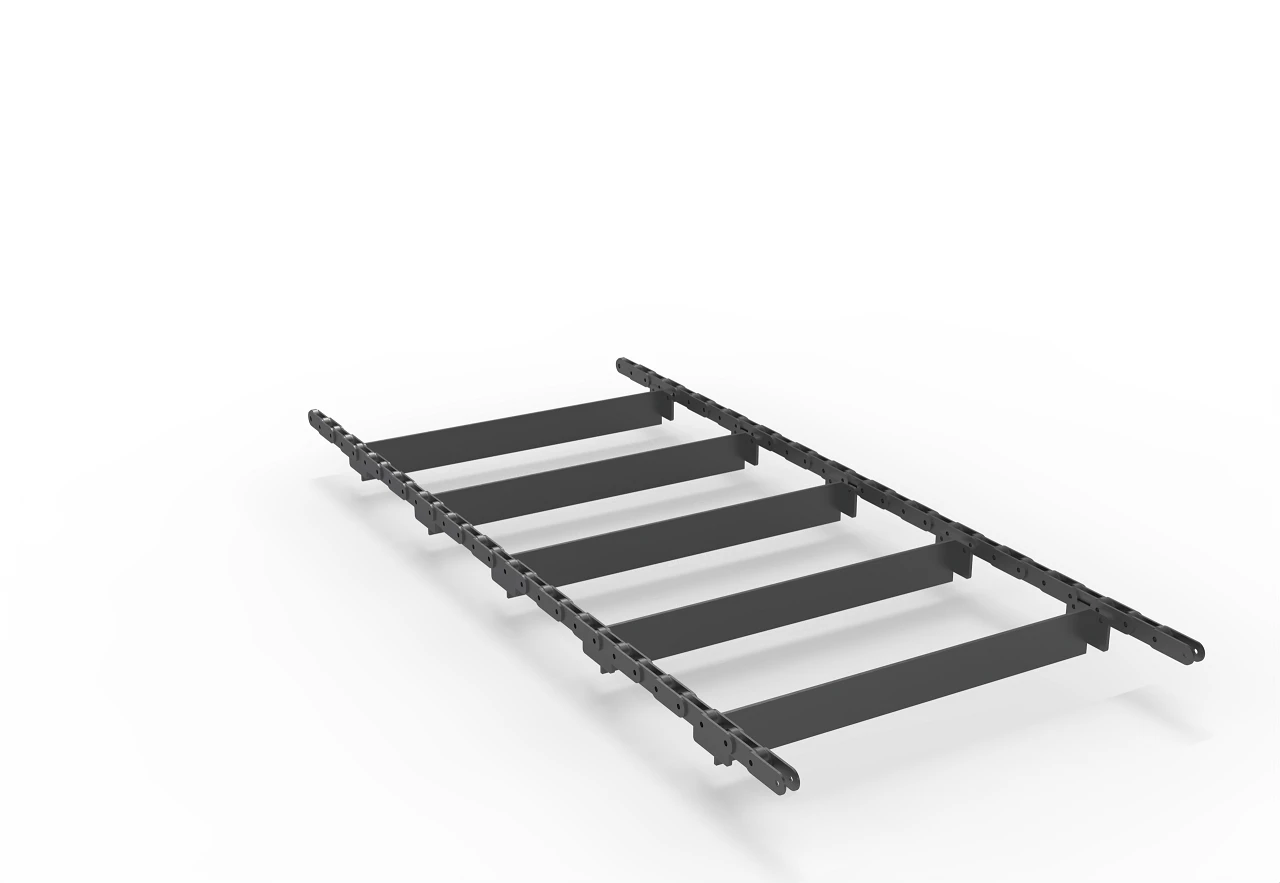
Heavy or hard parts falling onto the belt, insufficient tension and worn pins bend or break plates. Damaged plates gradually wear side plates and sprockets too.
Chain stretch and sprocket wear
Chains stretch and sprockets wear over time. Without tension adjustment, skipping, noise and vibration appear.
Chip and sludge build-up in the tank
Fine chips escaping between plates settle on the tank floor, block the pump suction and spoil the coolant.
Periodic maintenance checklist
| Frequency | Check |
|---|---|
| Daily | Check the discharge chute and chip bin; look for foreign objects on the belt. |
| Weekly | Check belt tension, unusual noise and vibration; clean filters and strainers. |
| Monthly | Inspect plates, pins and scrapers for wear; check gearbox oil level. |
| Yearly | Drain and clean the tank completely; assess chain, sprockets and bearings. |
Repair, renovation or a new conveyor?
- Repair: for a few broken plates, a worn sprocket or a motor fault, service and repair is enough.
- Belt replacement: with widespread wear, renewing the steel hinged belt restores original performance.
- Renovation: if the chip type has changed (e.g. from steel to aluminium) or capacity is insufficient, a conveyor renovation that keeps the body but changes the type or adds a filter can be more economical than a new machine.
- New conveyor: if the body is badly damaged or the machine has changed, a new chip conveyor is the right choice.
5 practical tips to prevent failures
- Use a conveyor suited to your chip type; add a chip crusher if needed.
- Keep belt tension within the manufacturer’s values.
- Clean the tank regularly; consider a filter or scraper for fine chips.
- Prevent inserts and bolts from falling onto the belt.
- Notice small noises and vibrations early and act.
Frequently Asked Questions
Why does my chip conveyor jam frequently?
The most common causes are stringy chip nests, foreign objects on the belt and sludge on the tank floor. A conveyor suited to the chip type and regular tank cleaning largely solve the problem.
Can broken plates be replaced individually?
Yes. If damage is limited, only the broken plates can be replaced. With widespread wear, renewing the whole belt is a longer-lasting solution.
When does conveyor renovation make sense?
When the body is sound but the chip type has changed or capacity is insufficient, renovation is usually more economical than a new conveyor.


